
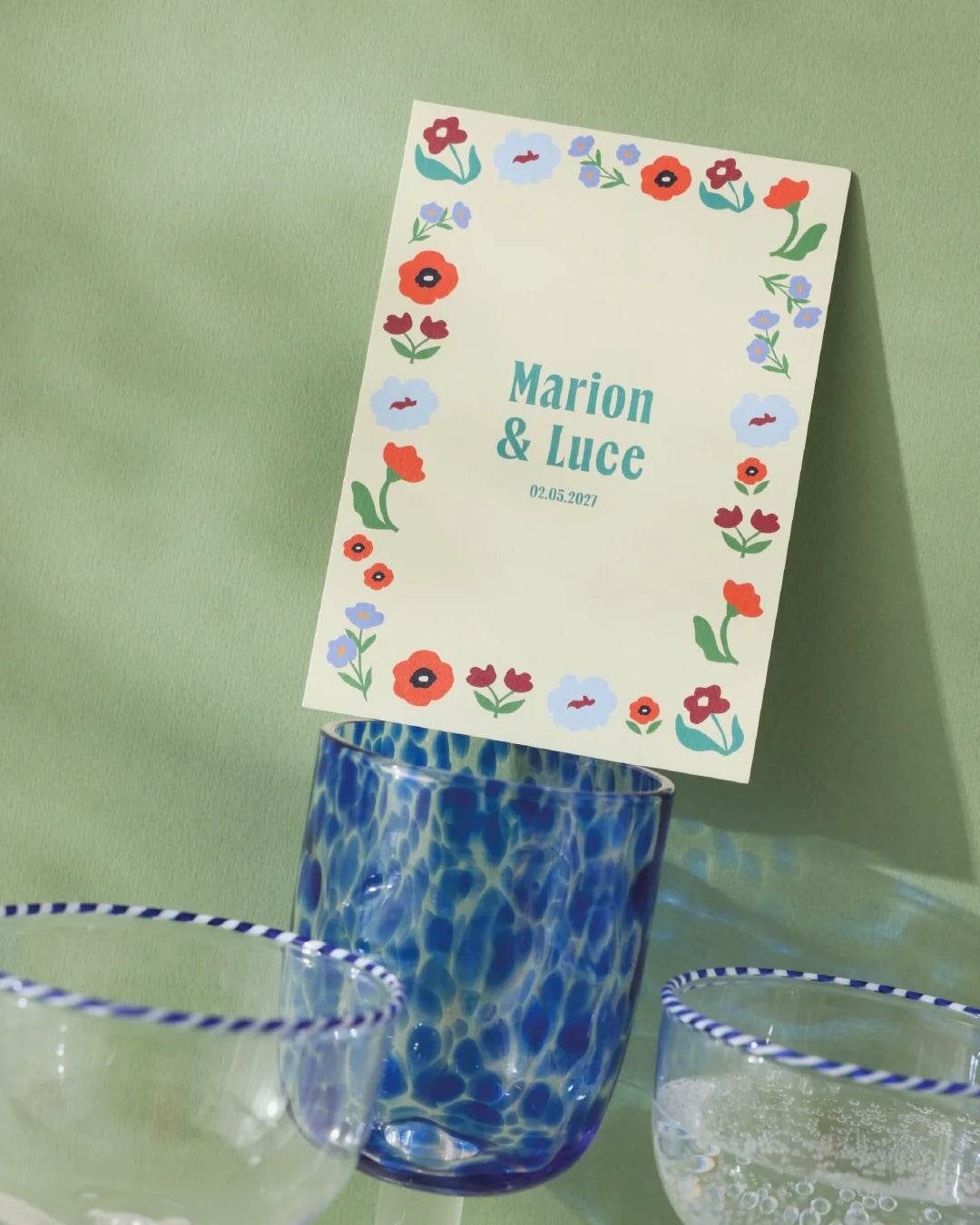
Wedding invitation templates: which style to choose according to your theme?
Why your invitation style changes everything in the first impression
Your wedding invitation is literally the first message you send to your loved ones before the big day. Even before they walk through the door of the venue, this small rectangle of paper speaks of you, your couple, and the atmosphere you've imagined together. And believe me: guests feel it immediately.
The classic pitfall? Choosing a wedding invitation design because it's "pretty" without checking if it really matches your theme. A floral and pastel invitation for a chic industrial wedding creates a dissonance that your guests won't be able to name, but they will feel it.
Faced with hundreds of options available online, choosing without clear criteria leads straight to confusion. You spend two hours on websites, you have dozens of tabs open, and you are less decided than when you started. This is the choice overload syndrome, and it affects almost all future brides and grooms.
This article is here to bring order to all of that: a structured comparison, concrete criteria, and real examples to help you decide quickly and well. Start by exploring our collection of wedding invitations to have the designs in mind as you read.
Comparison of the 5 major style models: which one is right for you?
Here is the core of this article. Rather than overwhelming you with abstract descriptions, here are five key styles with everything you need to know to quickly make a decision. Consider this your compass to find the right wedding invitation model.
The 5 styles in detail
Romantic style: Elegant curves, soft tones (pink, ivory, burgundy), calligraphic fonts. Ideal for a château, manor, or wine estate in spring or autumn. The ambiance is timeless and refined. Eliminatory criterion: if your wedding is outdoors in a wild setting, this style might seem too formal. Illustrative model: Amour.
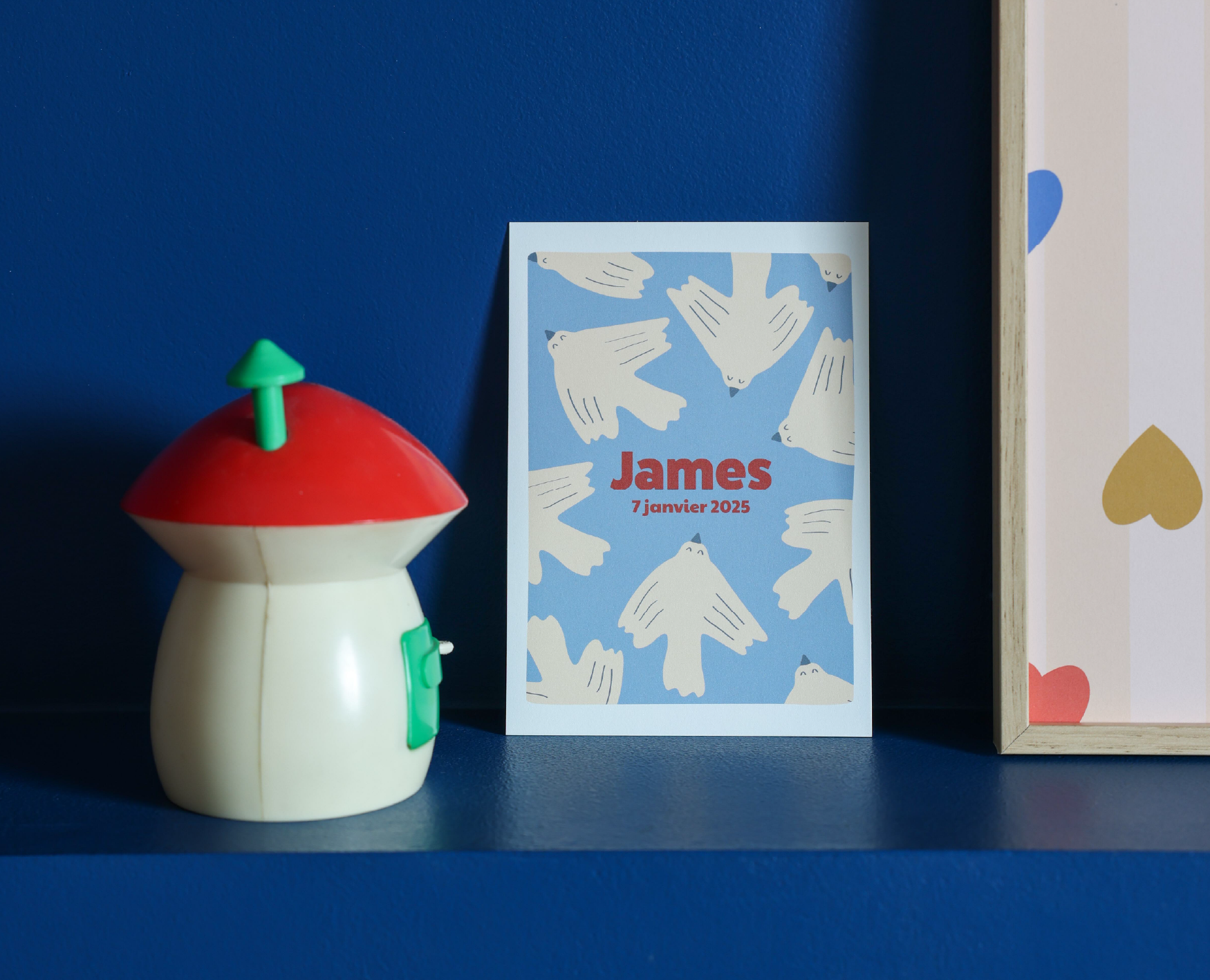
Country/nature style: Illustrations of birds or plants, natural palette (sage green, terracotta, cream). Perfect for barn weddings, gardens, or rural estates in summer. Light and authentic atmosphere. Eliminatory criterion: not suitable for very formal receptions or urban venues. Illustrative model: The two birds.
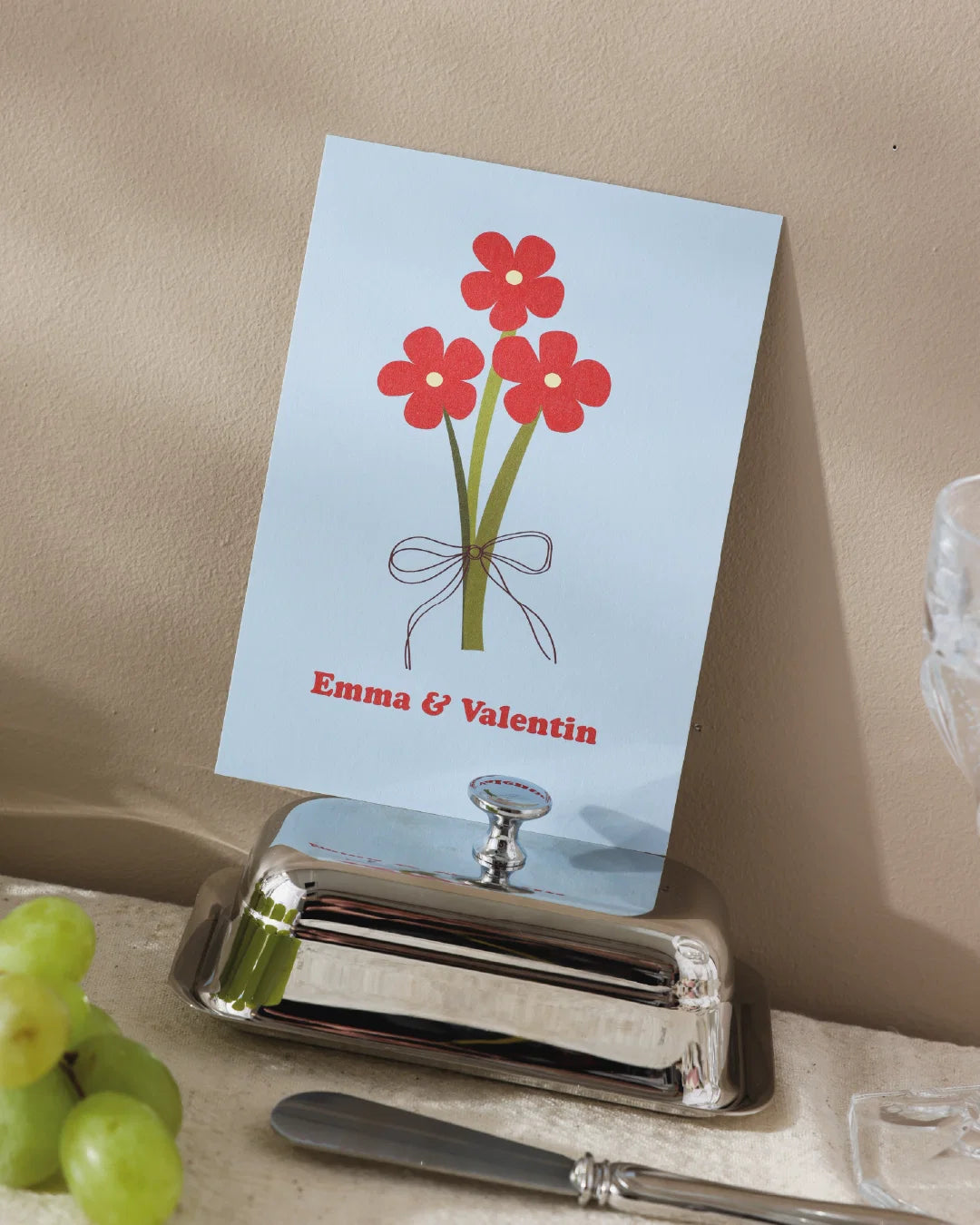
Floral/botanical style: Floral wreaths, springtime watercolors, fresh tones. Ideal in spring, in an orangery or a charming garden. Eliminatory criterion: if you want something minimalist, look elsewhere. Illustrative model: Fleuri.
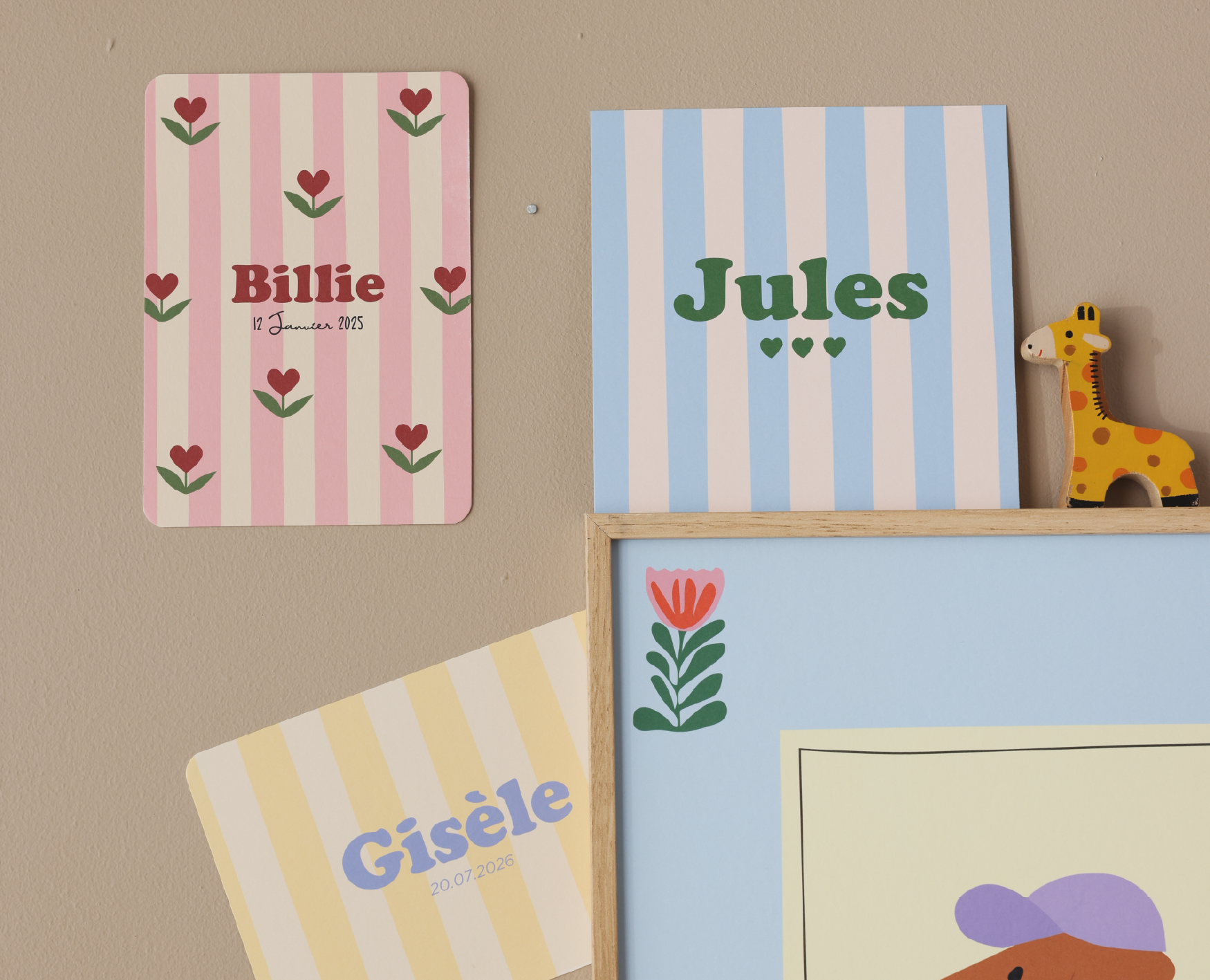
Graphic and modern style: Geometric shapes, bold colors, sans-serif fonts. Perfect for a contemporary venue or urban loft. Eliminatory criterion: if your ambiance is "fairy tale," this style will not be in harmony. Illustrative model: Hearts.
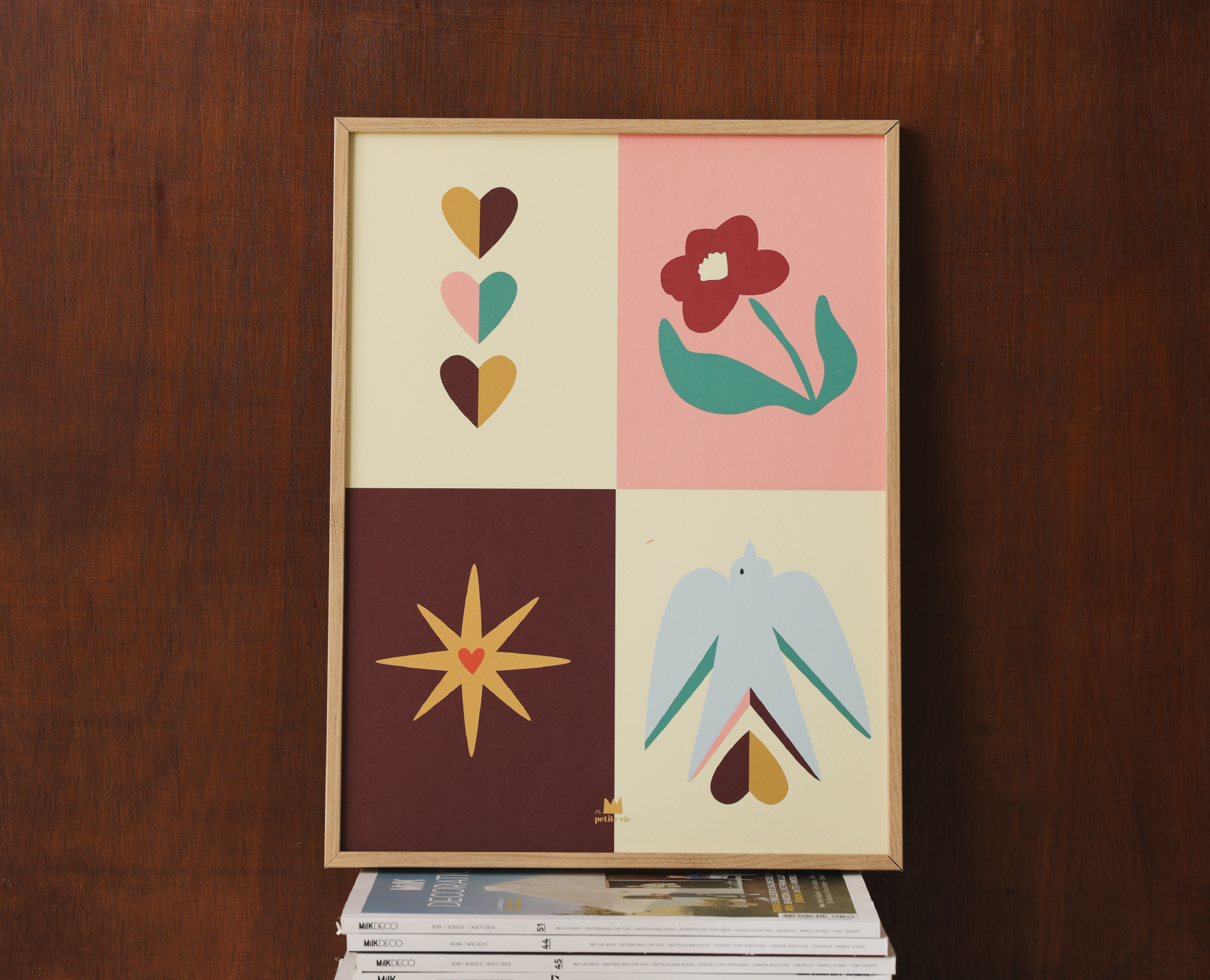
Sunny/warm style: Orange tones, golden yellows, summer illustrations. Ideal for a seaside wedding or in the south, in summer. Eliminatory criterion: may seem out of place for an indoor winter wedding. Illustrative model: Sun heart.
Quick comparative table
| Style | Ideal Season | Venue Type | Ambiance |
|---|---|---|---|
| Romantic | Spring / Autumn | Château, manor | Elegant, timeless |
| Country/Nature | Summer | Barn, garden | Authentic, relaxed |
| Floral/Botanical | Spring | Orangery, park | Fresh, poetic |
| Graphic/Modern | All seasons | Loft, contemporary hall | Sleek, urban |
| Sunny/Warm | Summer | Seaside, Provençal farmhouse | Festive, luminous |
The 4 concrete criteria to avoid choosing the wrong model
You now know how to create a visually coherent wedding invitation. But before finalizing your choice, filter your favorite design through these four criteria. They will help you avoid regrets.
- Coherence with your reception venue. A Provençal farmhouse calls for warm tones and a rustic touch. A baroque château deserves a more classic typeface. Your venue is your first filter.
- The season and its natural palette. The colors of your invitation should "resonate" with the season. A December wedding with a spring pastel invitation will feel off.
- The desired level of formality. An intimate reception of 30 people doesn't require the same visual standard as a grand celebration of 150 guests. The style must match the scale of the event.
- Legibility for all ages. Be careful with overly ornate fonts: your grandmother should be able to read the date and time without additional glasses. Prioritize clarity.
To explore other formats, take a look at all our invitations.
What not to forget to write on your invitation
Style is essential. But content is what your guests will truly read. Here is the checklist of essential information for any wedding invitation:
- The names of the bride and groom
- The date and time of the ceremony
- The ceremony venue (full address)
- The reception venue, if different
- A contact or website for practical questions
- The RSVP deadline
And for the tone of the text, here are two concrete examples:
Classic wording: "Camille and Thomas are delighted to announce their marriage, on Saturday, June 14, 2025, at 3 p.m., at Saint-Pierre Church in Lyon, followed by a reception at Domaine des Pins."
Original wording: "We said yes! Camille and Thomas invite you to celebrate their wedding on June 14, 2025. Champagne, music, and good cheer guaranteed."
The tone of your wedding invitation should be consistent with the chosen visual style. A graphic and modern invitation with a very solemn text creates a strange discrepancy. Remain consistent from start to finish.
Back-planning: when to send your invitations?
A question everyone asks (and often too late). Here are the guidelines to remember for your wedding invitation:
- 4 to 6 months before the wedding: this is the ideal window for most guests. You can send a save-the-date 8 to 12 months in advance if you wish.
- Minimum 6 months if your wedding falls during peak summer season (July/August) or if many guests are coming from far away. Agendas fill up quickly.
- 4 to 6 weeks before: useful for sending a digital reminder or e-invitation to those who haven't confirmed yet.
A quick note on birth announcements (because the question often comes up): these are sent 1 to 2 months after the baby's arrival, which is very different from the wedding timeline. Don't confuse the two!
Frequently asked questions about wedding invitations
How to write an invitation text?
Follow this simple structure: an announcement (the wedding), the names of the bride and groom, the date and time, the ceremony venue, the reception venue, and an invitation to confirm attendance (RSVP). Keep the tone consistent with the visual style of your invitation. A short and clear text is always more effective than a long paragraph.
What is a simple and original text for a wedding invitation?
Light version: "We're getting married! Sofia and Marc invite you to celebrate their love on September 7, 2025. Come one, come all, it will be a beautiful celebration." Classic version: "Sofia Dupont and Marc Lefebvre are delighted to announce their marriage, on Saturday, September 7, 2025, at 2:30 p.m., at Domaine de la Roseraie." Choose according to your personality.
What is the best site to create invitations?
The ideal is a site that offers quality customizable templates, with careful printing and a wide choice of styles. Before deciding, check the paper quality, text customization options, and delivery times. Our wedding invitation collection features designs created for every type of ceremony.
When should wedding invitations be sent?
Send your invitations 4 to 6 months before the wedding date. If your wedding is in July or August, or if your guests need to plan travel, aim for 6 to 8 months in advance. When in doubt, it's better to send too early than too late.